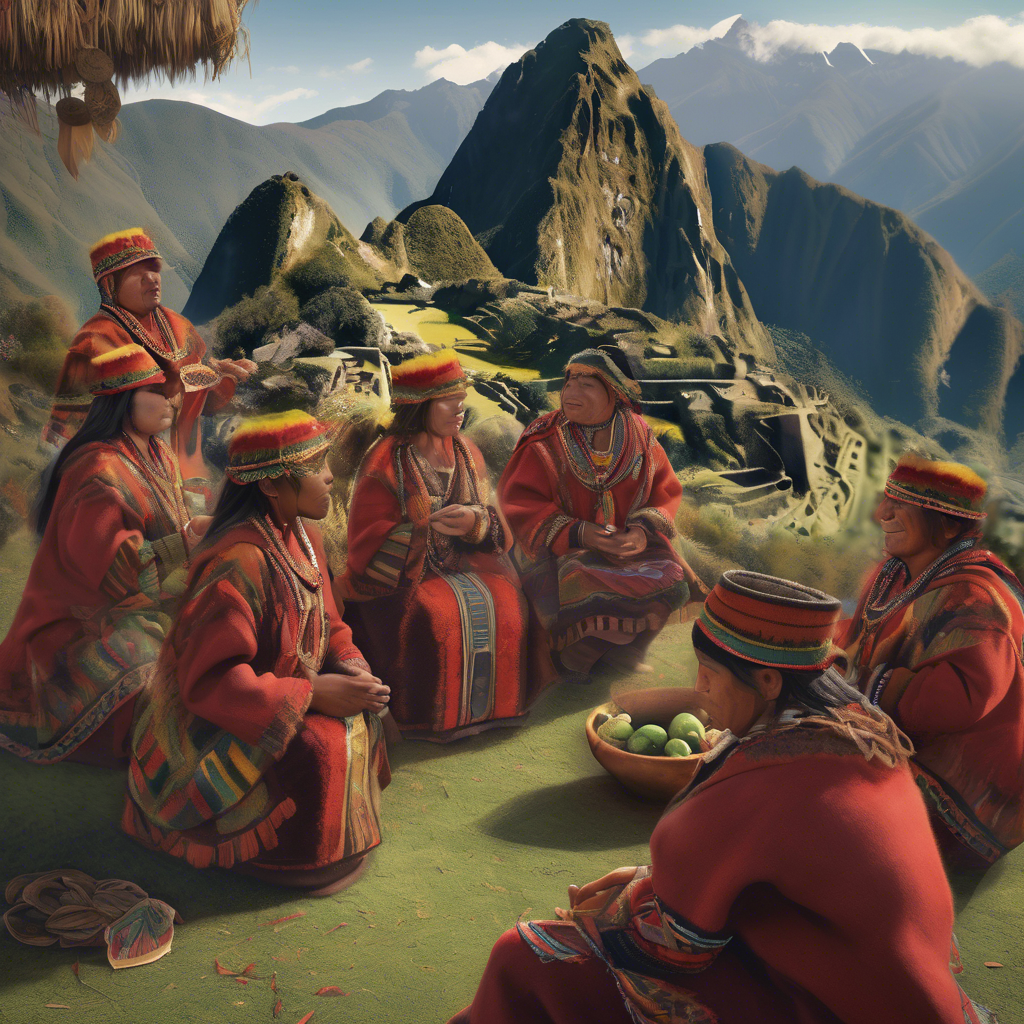
Coca leaves have been an integral part of local culture in the Andean region for thousands of years. The leaves, which come from the coca plant, have played a significant role in the traditional practices and rituals of the indigenous people of the region. From Bolivia to Peru, and Ecuador to Colombia, coca leaves are considered a sacred plant, used not only for medicinal purposes but also for spiritual and social ceremonies. The leaves are believed to possess mystical properties, allowing users to connect with the divine and the natural world.
History and Significance
The use of coca leaves dates back to the time of the Incas, who considered the plant a gift from the gods. The leaves were used as a form of currency, and also played a crucial role in traditional ceremonies and rituals. Today, coca leaves continue to hold significant cultural and spiritual importance, with many locals believing that the leaves bring good luck, prosperity, and protection. The leaves are also used in traditional medicine, where they are believed to have healing properties.
Traditional Uses
Coca leaves are used in a variety of ways, including:
- Chewing: Fresh or dried coca leaves are chewed to release their active ingredients, which can help to stimulate the mind and body.
- Brewing: Coca leaves can be brewed into a tea, which is believed to have medicinal properties.
- Ceremonies: Coca leaves are used in traditional ceremonies and rituals, such as weddings and births.
- Offerings: Coca leaves are often used as offerings to the gods, and are placed at sacred sites and shrines.
Cultural Events and Celebrations
Coca leaves play a significant role in many cultural events and celebrations, including:
- Inti Raymi: The festival of the sun, where coca leaves are used in traditional ceremonies and rituals.
- Ch’alla: A traditional ceremony where coca leaves are used to bless and protect crops.
- Quinceañera: A coming-of-age ceremony, where coca leaves are used to bless and protect the young woman.
- Funeral rites: Coca leaves are used in traditional funeral rites, where they are believed to help guide the spirit of the deceased to the afterlife.
Modern-Day Relevance
While the use of coca leaves is deeply rooted in tradition, it also continues to play a significant role in modern-day culture. Efforts are being made to preserve the cultural heritage of coca leaf use, and to promote sustainable and responsible cultivation of the coca plant. Additionally, research is being conducted into the medicinal properties of coca leaves, which could lead to new treatments for a variety of health conditions. As the world becomes increasingly globalized, the cultural significance of coca leaves serves as a reminder of the importance of preserving traditional practices and cultural heritage.

Related Posts